+86 13705336167
+86 13705336167

Nov. 17, 2026
Caster Tip Lining Selection: Ceramic Fiber Paper or BN Coating? Optimize Quality & Cost for Twin-Roll Aluminium Continuous Casting
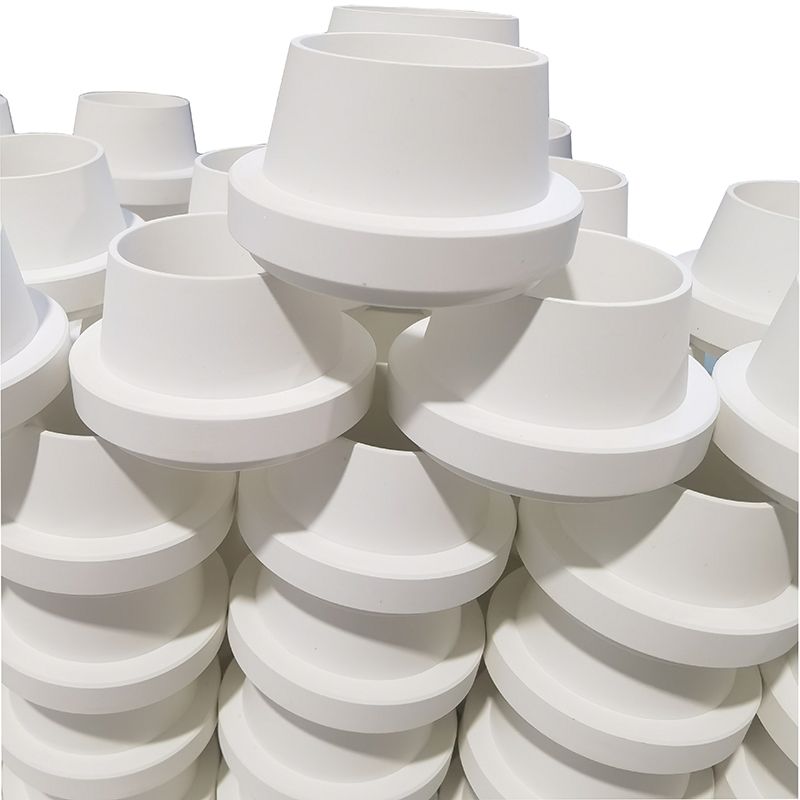
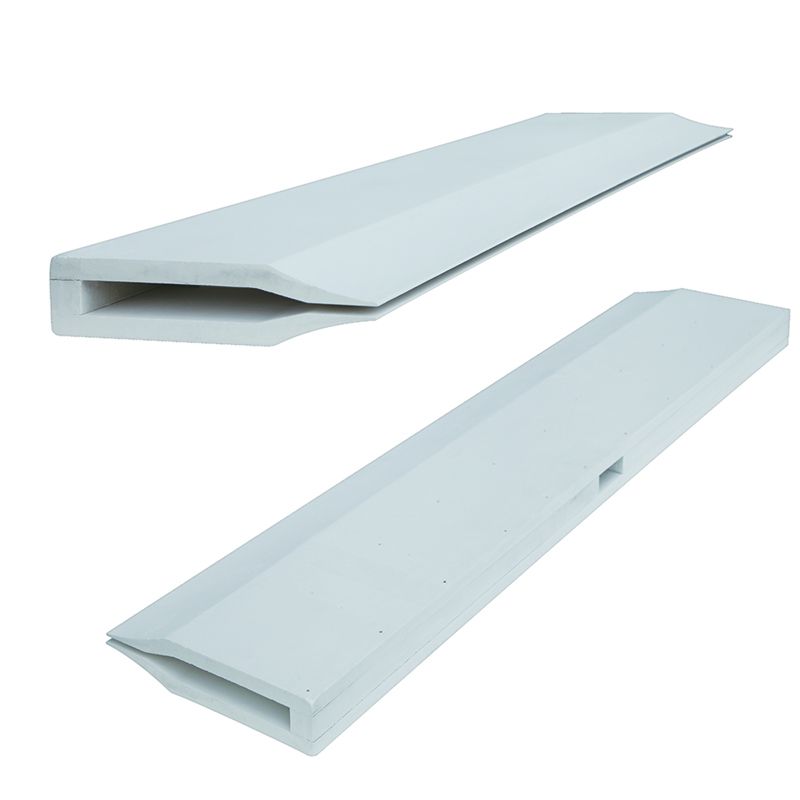
For twin-roll aluminium continuous sheet casting lines, casting tips function as the critical throat that guides molten aluminium flow, stabilizes thermal conditions and shapes incoming feedstock. The lining solution fitted inside caster tips largely determines thermal uniformity, strip surface finish, roll change intervals and overall production costs. Many casting workshops keep debating a practical question: should the inner cavity of casting tips be lined with ceramic fiber paper, or directly sprayed with boron nitride (BN) coating? Neither option is universally superior. Proper selection aligned with operating conditions helps balance yield, line efficiency and expenditure.
Ceramic Fiber Paper Lining for Caster Tips
Ceramic fiber paper is a traditional flexible lining material widely adopted across continuous casting operations. It relies on low thermal conductivity to deliver thermal insulation while absorbing thermal stress generated by cyclic thermal expansion and contraction of the casting tip substrate.
Advantages
- Excellent thermal insulation reduces temperature drop as molten aluminium travels through the flow channel, maintaining stable thermal fields. It works well for low-speed continuous casting and thick gauge feedstock, lowering risks of cold lines and uneven solidification.
- Flexible structure buffers thermal shock, resisting large-area cracking that commonly occurs with rigid surface coatings.
- Simple on-site installation. Sheets can be cut and bonded to fit casting tips quickly. No lengthy drying or curing cycle is required, cutting downtime for maintenance and replacement.
- The material seals gaps at lips and joints of casting tips and nozzles, mitigating penetration and leakage of molten aluminium.
- Competitive purchasing cost and easy stock management, ideal for lines with moderate surface requirements and tight budget constraints.
Limitations
- Porous fibre structure offers no inherent non-wetting property against molten aluminium. Paper-only lining tends to trap aluminium and build slag, roughening flow paths and triggering strip marking defects. In most cases, fibre paper must be paired with surface coating.
- Limited erosion resistance. Under high casting speed and high melt velocity, fibre fragments may wash away and contaminate molten aluminium, causing white spots, inclusions and pinholes that ruin foil feedstock quality.
- Gradual compaction and shrinkage under sustained high heat alter flow geometry and lip clearance over time, destabilizing strip profile and flow consistency.
- Short service life demands frequent change-outs, which limits continuous production capacity for high-volume schedules.
Boron Nitride (BN) Coating for Casting Tips
Boron nitride coating is a dense protective layer applied directly onto the substrate of casting tips. It has become the mainstream choice for high-speed foil-grade twin-roll aluminium continuous sheet casting.
Advantages
- Dense, smooth surface repels molten aluminium with outstanding non-wetting performance. It minimises slag build-up and sticking, greatly reducing dark streaks, scratches and surface inclusions. This coating suits high-value products such as aluminium foil stock and PS plate base stock.
- Superior resistance to molten aluminium erosion and scouring, isolating melt from the casting tip base and extending the service life of casting tips and nozzles.
- Thin film thickness barely changes the original flow channel geometry. Lip clearance stays consistent for stable strip profile and predictable melt delivery.
- Zero fibre shedding risk, preserving high melt cleanliness required for premium aluminium grades.
- Local repair is feasible. Touch-up coating can be applied only where peeling occurs, without full lining removal.
Limitations
- Poor thermal insulation accelerates heat loss from caster tips. Larger temperature drop in molten aluminium raises thermal control difficulty, requiring well-calibrated header heating systems to avoid solidification issues.
- Moderate thermal shock tolerance. Rapid heating and cooling cycles may lead to coating blistering, cracking and delamination. Once local coating fails, the bare substrate of the casting tip will be corroded quickly by molten aluminium.
- Lengthy application workflow: substrate grinding and cleaning, spraying, staged drying and curing. Strict surface preparation and heat treatment parameters are mandatory, extending shutdown time.
- Higher material and labour cost compared to fibre paper. Recoating is necessary after every grinding and reconditioning of casting tips.
Popular Combined Lining Configurations Used by Aluminium Casters
1. Ceramic fiber paper base + top BN coating — Balanced, widely recommended setup**
The bottom fibre layer delivers insulation and thermal stress cushioning, while the top BN coating provides non-stick performance and smooth flow. This combination stabilises thermal conditions and surface quality, the most cost-effective option for medium-speed continuous casting lines.
2. Ceramic fiber paper only — Low-speed, thick gauge commodity strip**
Suitable for lines prioritising cost control with less strict surface specs. Not recommended for aluminium foil feedstock due to high inclusion risk.
3. BN coating only — High-speed thin gauge and premium foil production**
Additional electric heating compensates heat loss. This setup prioritises surface finish and melt purity for high-margin aluminium products.
Quick Selection Guide for Casting Tips and Nozzles
- Prioritise heat retention, low casting speed and thick strip runs → Ceramic fiber paper lining
- High-speed twin-roll casting, foil feedstock, strict control over inclusions and surface defects → BN coating
- Balanced yield, throughput and cost for general-purpose continuous casting → Composite paper + BN coating system
There is no one-size-fits-all lining solution for caster tips. The final selection must match casting speed, product portfolio and heating infrastructure of each twin-roll aluminium continuous sheet casting line. Many recurring issues including strip streaks, inclusions, melt penetration and short casting tip life stem from mismatched lining technology rather than defective raw materials.
As aluminium manufacturing faces tighter margins and higher yield targets, optimising lining packages for casting tips and nozzles delivers measurable quality gains with relatively low capital input.
If you require custom lining recommendations, ceramic fiber grade selection or BN coating process guidance for your continuous casting setup, feel free to reach out for technical discussion.
#caster tip #casting tip #casting tips and nozzles #twin roll aluminium continuous casting #aluminium continuous sheet casting #continuous casting #boron nitride coating #ceramic fiber paper
Contacts Us
Mobile: +86 13705336167
E-mail: info@cazer-material.com
WhatsApp: +86 13705336167
Add.: KunLun Town, ZiChuan Dist, ZiBo City, ShanDong Province, China
Navigation
SEND INQUIREY