+86 13705336167
+86 13705336167

Mar. 12, 2026
In the high-stakes world of aluminum casting, efficiency, purity, and durability are non-negotiable. For years, foundries have struggled with the limitations of traditional cast iron or steel ladles—issues like rapid aluminum adhesion, high thermal loss, and frequent maintenance. However, the introduction of advanced Ceramic Auto Ladles is changing the game. By transitioning to a ceramic casting ladle, manufacturers are not only extending their equipment's lifespan but also significantly improving the quality of the final product.
Here is everything you need to know about the application, advantages, and best practices for using these innovative tools.
What Are Ceramic Auto Ladles?
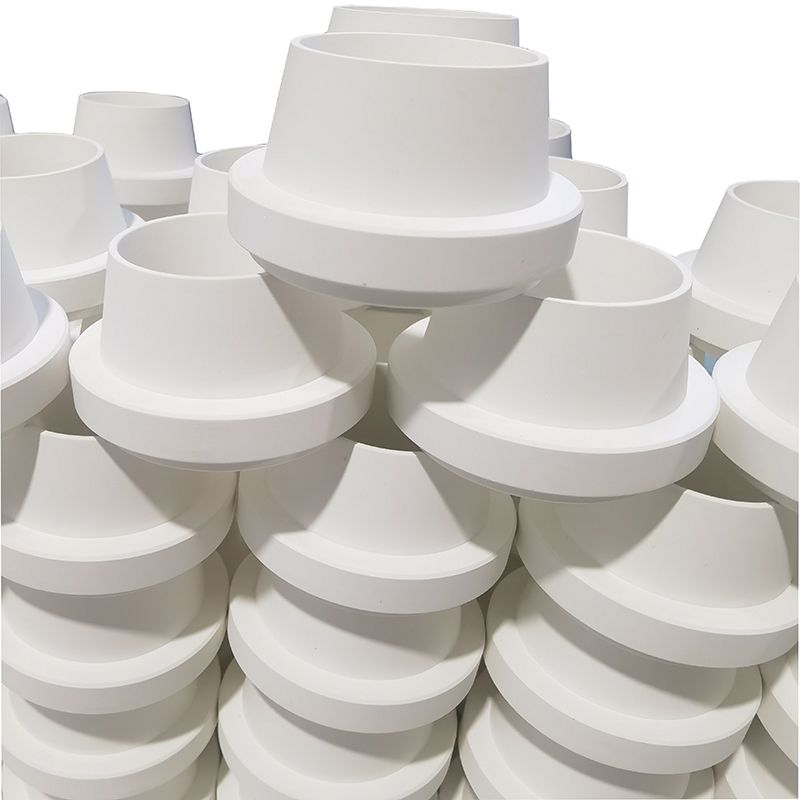
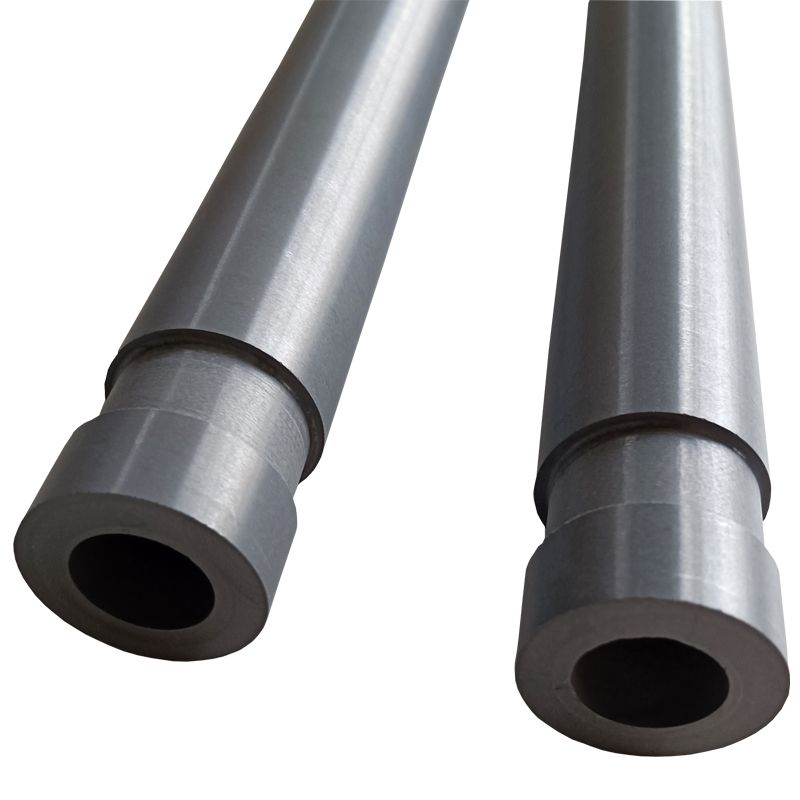
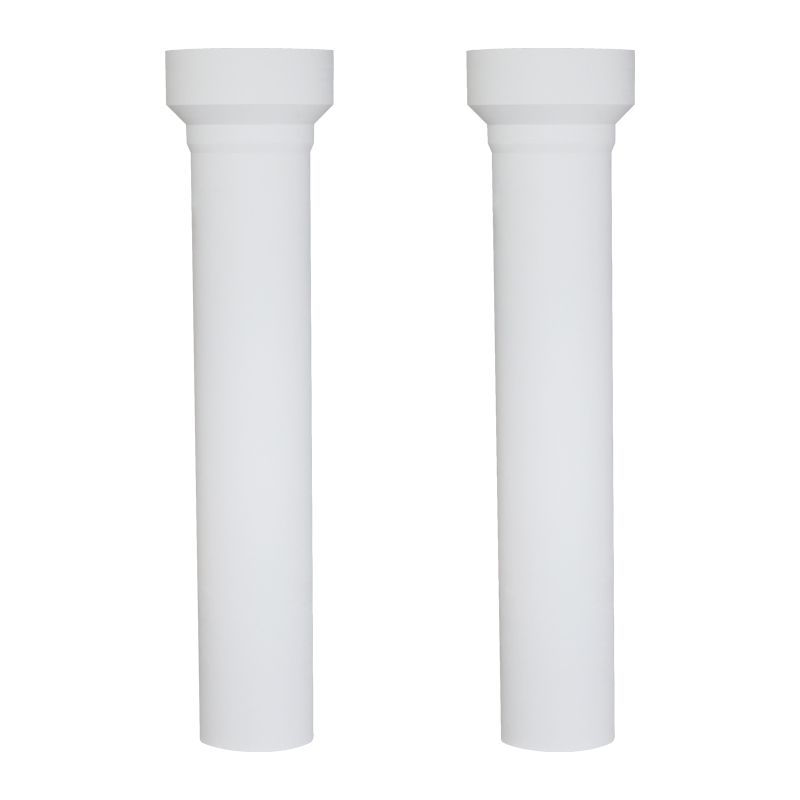
Ceramic Auto Ladles are precision tools used in high-pressure, gravity, and sand casting processes. Made from a ceramic fiber composite, these ladles are engineered to withstand the extreme conditions of molten aluminum. Unlike traditional metal options, they feature a unique strength-to-density ratio of just 1.65g/cm3, making them incredibly lightweight yet durable.
Whether you need a small tool for intricate work or a heavy-duty pouring ladle for large-scale operations, these products are customizable from 0.3 kg to 150 kg to meet your specific needs.
The Key Advantages of Switching to a Ceramic Casting Ladle
Why are top-tier foundries making the switch? The benefits are clear:
1. Cold Start Capability (No Preheating Required)
One of the most significant advantages of a ceramic casting ladle is its ability to operate without preheating. Traditional metal ladles often require lengthy preheat times to prevent thermal shock, wasting energy and slowing down production. With ceramic fiber, you can achieve direct cold-start capability, saving both time and fuel costs.
2. Superior Thermal Insulation & Low Heat Loss
Maintaining the exact temperature of molten metal is critical. Reports indicate that aluminum temperature can be 15−20℃ lower when using these ladles compared to traditional cast iron. This exceptional insulation ensures that the metal remains fluid for longer, improving casting quality and reducing defects.
3. Non-Stick Properties & Purity
Upon leaving the factory, every pouring ladle is coated with a layer of boron nitride. This treatment dramatically enhances the non-stick properties of the surface, preventing aluminum from bonding to the tool. This not only keeps the metal free from iron contamination but also reduces aluminum residue build-up, ensuring a cleaner melt and higher quality casts.
4. Longevity and Low Maintenance
Under normal working conditions, these ladles boast an average service life of no less than 40,000 casting cycles. Customer feedback even shows that smaller ladles (under 5 kg) can exceed 180,000 cycles. This durability translates directly into lower maintenance costs and less downtime.
Best Practices for Handling and Maintenance
To maximize the lifespan of your Ceramic Auto Ladles, proper handling and maintenance are crucial. Here are the essential guidelines to follow:
1. Handling and Installation
Avoid Impacts: The material is strong but can be damaged by dropping or squeezing. Avoid collisions during transport.
Gentle Installation: Do not apply excessive force at connection points, as twisting or deforming the internal framework can drastically shorten the ladle's life.
2. During Use
Temperature Control: While preheating is generally unnecessary, if you must preheat, do not exceed 350 ℃ for more than one hour. Never expose the ladle to temperatures above 850℃
Avoid Open Flames: Do not use high-temperature torches (especially oxygen-assisted flames) directly on the surface, as this can cause cracking.
Minimize Submersion: Do not leave the ladle submerged in aluminum liquid for extended periods, as this reduces its lifespan.
3. Daily Maintenance
After a period of use, your pouring ladle may require touch-ups:
BN Coating: If the boron nitride (BN) layer peels off, it should be re-sprayed promptly. Remember to dilute DR-BN 61A with 4-5 parts water before application.
Repairs: For dents or cracks, use a specialized repair material (like DR-INS 1150 refractory mortar) before reapplying the BN coating.
Cleaning: If aluminum adheres to the surface, clean it off gently with fine sandpaper. Avoid scraping with sharp metal objects, as this damages the structural integrity.
4. Storage
Store unused ladles in a dry, waterproof area to prevent moisture absorption and avoid impacts. For best results, use them within six months.
Applications Beyond the Ladle
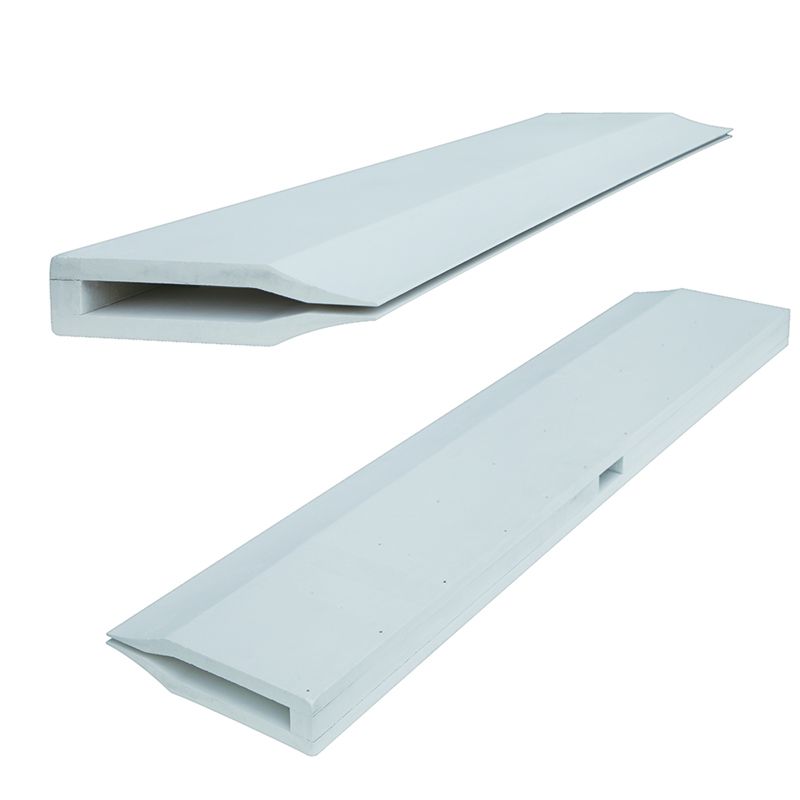
The technology behind the ceramic casting ladle is also applied to other foundry tools, such as Ceramic Fiber Troughs. These troughs feature a dense, porcelain-glaze-like surface with strength comparable to stainless steel. They require no preheating and last between 4 to 12 months, further streamlining the casting process.
Conclusion
Upgrading to Ceramic Auto Ladles is more than just a purchase; it is an investment in efficiency, quality, and cost reduction. By eliminating iron contamination, reducing heat loss, and offering a lightweight, durable solution, these ladles address the most persistent challenges in modern aluminum casting.
If you are looking to optimize your foundry operations and reduce long-term costs, it is time to make the switch to a high-performance ceramic casting ladle.
Contacts Us
Mobile: +86 13705336167
E-mail: info@cazer-material.com
WhatsApp: +86 13705336167
Add.: KunLun Town, ZiChuan Dist, ZiBo City, ShanDong Province, China
Navigation
SEND INQUIREY